Wood vs. Vinyl vs. Aluminum: Which Fence Material Survives the Local Climate Best?
Comparing Durability, Maintenance, and Appearance to Help Hales Corners Homeowners Choose the Right Fence
Choosing a fence for your property is about more than finding something that looks good. You want a fence that can handle changing weather, provide the privacy or security you need, and continue looking great for years.
For homeowners in Hales Corners, Wisconsin, weather is an important factor when selecting fencing materials. Winters can bring freezing temperatures, snow, and ice, while warmer months may bring rain, humidity, and strong sunlight. These seasonal changes can affect how different fence materials look and perform over time.
Three popular options are wood, vinyl, and aluminum. Each has its own advantages, maintenance requirements, and long-term considerations. Understanding the differences can help you choose a fence that fits your property, lifestyle, and budget.
1. Wood Fencing: Classic Appearance and Natural Beauty
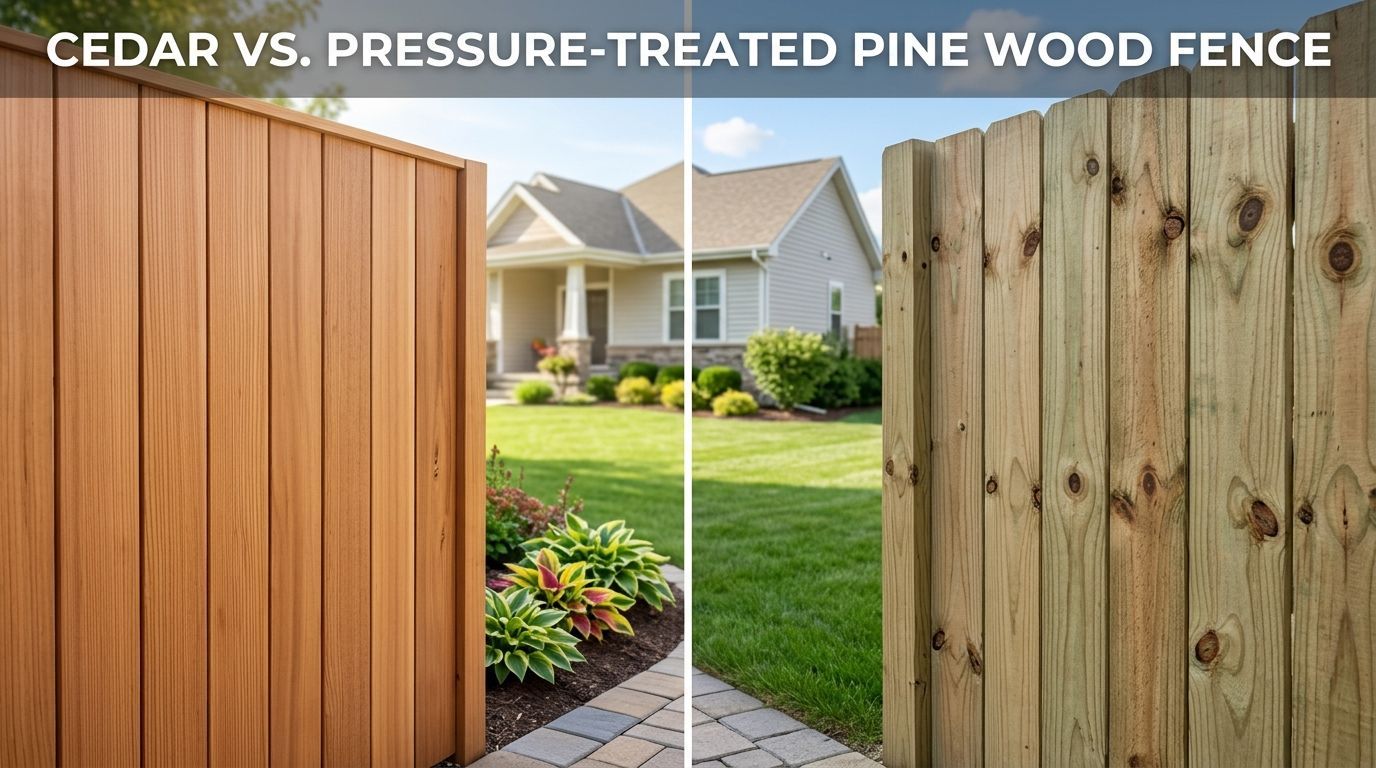
Wood fencing remains a popular choice because of its traditional appearance and versatility. Whether you want a private backyard, a decorative boundary, or a classic picket fence, wood offers plenty of design possibilities.
One of the biggest advantages of wood is its natural appearance. It can complement many types of homes and landscaping styles, making it a practical option for homeowners who prefer a warm, traditional look.
Benefits of Wood Fencing
- Natural Appearance: Wood adds warmth and character to residential properties.
- Privacy Options: Solid wood panels can create a comfortable and private outdoor space.
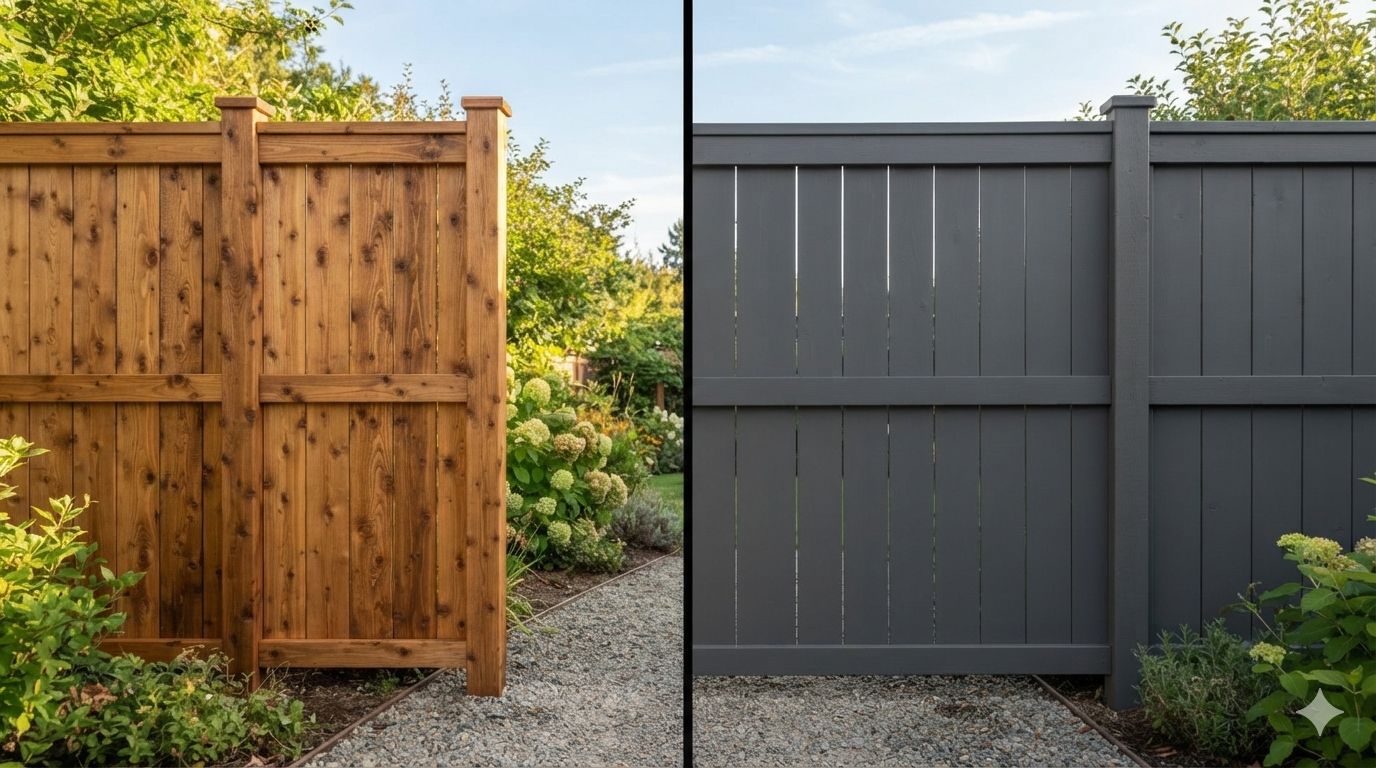
- Customizable Designs: Wood can be cut, stained, painted, and built in different styles.
- Easy to Modify: Individual boards can often be replaced without rebuilding the entire fence.
Things to Consider
Wood requires regular maintenance to protect it from moisture, insects, and weather-related wear. Rain and snow can contribute to moisture damage, while repeated freezing and thawing may cause certain boards or posts to crack or shift.
Depending on the wood species and installation quality, homeowners may need to stain, seal, or paint their fences periodically.
For Hales Corners homeowners who appreciate a natural look and do not mind occasional maintenance, wood can be an attractive fencing option.
2. Vinyl Fencing: Low Maintenance and Clean Appearance
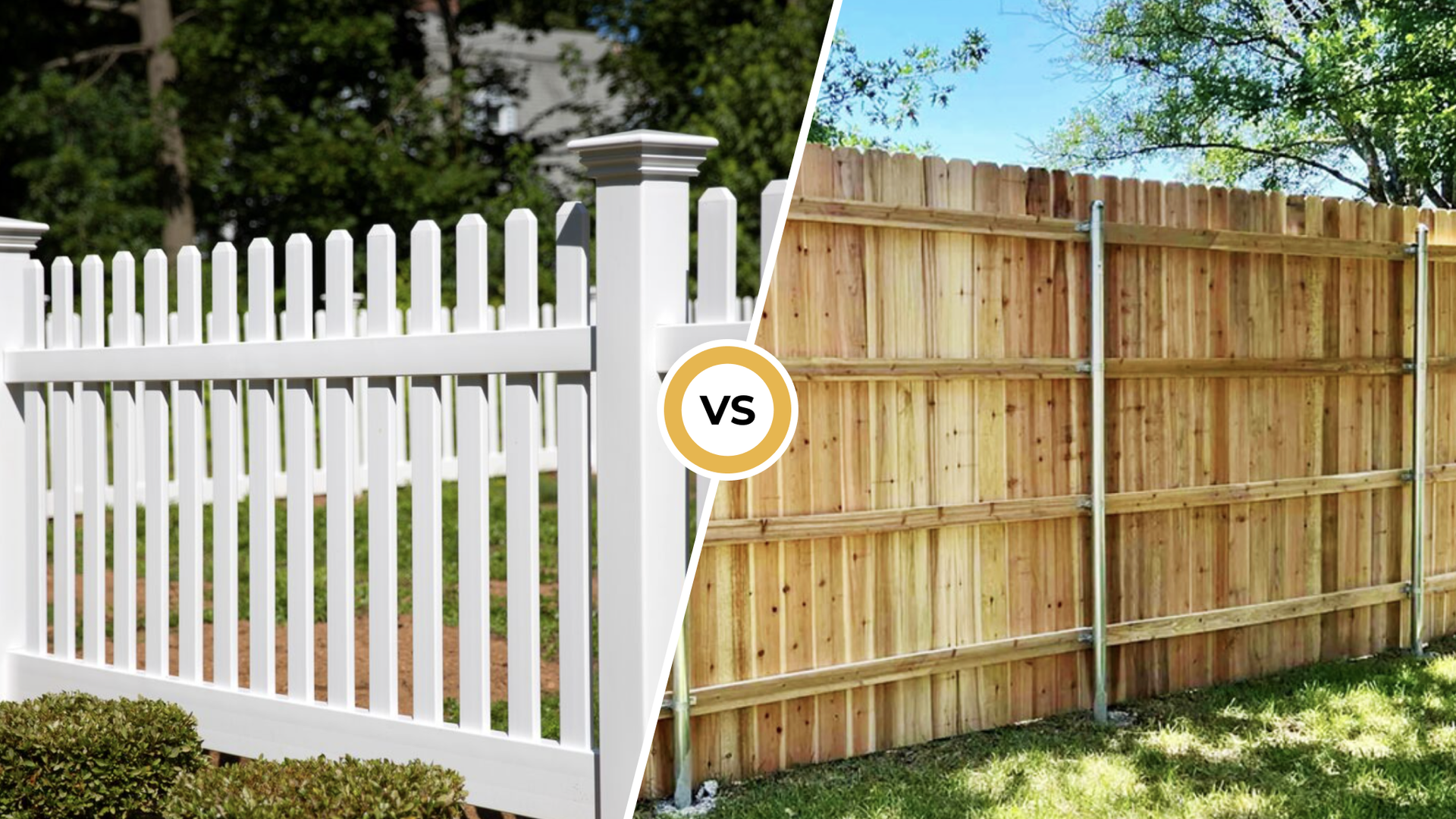
Vinyl fencing is a popular alternative for homeowners who want a neat, finished appearance without the regular staining or painting associated with wood.
Made from durable PVC materials, vinyl fencing is designed to resist moisture, rot, and insect damage. It is available in several colors and styles, including privacy panels, picket fences, and decorative designs.
Benefits of Vinyl Fencing
- Low Maintenance: Vinyl does not require regular painting or staining.
- Moisture Resistance: It will not rot or absorb water like untreated wood.
- Easy Cleaning: Dirt and surface buildup can usually be removed with soap and water.
- Consistent Appearance: Vinyl can maintain its color and finish with proper care.
- Privacy Options: Solid vinyl panels are useful for creating enclosed backyard spaces.
Things to Consider
Although vinyl performs well in many weather conditions, extreme temperature changes can affect how the material expands and contracts.
Cold weather can also make some vinyl products more brittle, particularly if they experience strong impacts. Quality, thickness, and proper installation all matter when choosing a vinyl fence.
Vinyl can also cost more upfront than some basic wood fencing options. However, its lower routine maintenance requirements may make it appealing over the long term.
For homeowners who prefer a clean appearance and less maintenance, vinyl is worth considering.
3. Aluminum Fencing: Strength, Style, and Visibility
Aluminum fencing is often chosen for its combination of durability and decorative appeal. It provides a defined property boundary without completely blocking the view of your yard.
This makes it especially useful around gardens, front yards, pools, and landscaped outdoor spaces.
Benefits of Aluminum Fencing
- Rust Resistance: Aluminum naturally resists rust, making it suitable for outdoor use.
- Lightweight Construction: It is generally easier to handle than heavier metal fencing materials.
- Low Maintenance: Aluminum does not require routine painting or staining when its protective finish remains in good condition.
- Attractive Appearance: Decorative styles can complement both traditional and modern homes.
- Good Visibility: Open picket designs maintain views while creating a clear boundary.
Things to Consider
Unlike solid wood or vinyl panels, most aluminum fences do not provide complete privacy. Their open design allows people to see through the fence.
Aluminum can also be dented or bent by strong impacts, depending on its thickness and construction.
For properties that need a decorative boundary rather than a fully enclosed backyard, aluminum can be a practical and attractive choice.
4. How Does Wisconsin Weather Affect Each Fence Material?
Weather is one of the most important factors to consider when choosing a fence in Hales Corners.
Each material responds differently to seasonal conditions.
During Winter
Snow, ice, freezing temperatures, and repeated freeze-thaw cycles can put stress on fence materials and their support posts.
- Wood: Moisture can enter the wood and contribute to cracking, warping, or rot over time if the material is not properly protected.
- Vinyl: Quality vinyl is moisture-resistant, but very cold temperatures can make some products more vulnerable to impact damage.
- Aluminum: Aluminum does not rot or rust like many other materials, although its posts and installation still need to withstand winter ground movement.
During Spring and Summer
Rain, humidity, sunlight, and changing temperatures can also affect fence performance.
- Wood: May require periodic staining or sealing to protect against moisture and sunlight.
- Vinyl: Can be cleaned when dirt or mildew develops, and some products may experience color changes after prolonged sun exposure.
- Aluminum: Usually needs only occasional cleaning and inspection of its finish and hardware.
No fence material is completely maintenance-free. Proper installation, product quality, and routine inspections all contribute to a longer-lasting fence.
5. Which Fence Material Requires the Least Maintenance?
If maintenance is one of your biggest concerns, vinyl and aluminum are generally easier to care for than wood.
Here is a simple comparison:
Fence MaterialTypical MaintenanceWoodPeriodic staining, sealing, painting, and board inspectionsVinylOccasional washing and inspections for cracks or loose sectionsAluminumOccasional cleaning and checks for loose hardware or finish damage
Wood usually requires the most attention because it is a natural material that can be affected by moisture and insects.
Vinyl and aluminum generally require less routine maintenance, although both should still be inspected after severe weather.
6. Which Fence Material Is Best for Your Property?
The right fencing material depends on what matters most to you.
Consider these common situations:
Choose Wood If:
- You prefer a traditional and natural appearance.
- You want a solid privacy fence.
- You like having several customization options.
- You are comfortable with periodic maintenance.
Choose Vinyl If:
- You want a clean and consistent appearance.
- You prefer less maintenance.
- You need a privacy fence for your backyard.
- You want a material that resists rot and moisture damage.
Choose Aluminum If:
- You prefer a decorative and open fence design.
- You want to maintain visibility around your property.
- You need a defined boundary for a garden or yard.
- You want a material that resists rust and requires relatively little maintenance.
It is also worth considering your property's layout, existing landscaping, neighborhood style, and any local fencing requirements before making a final decision.
7. Why Professional Fence Installation Matters
Even high-quality fencing materials can develop problems if they are not installed correctly.
Fence posts need proper placement and support, panels must be aligned, and the installation should account for the property's slope and ground conditions.
In Wisconsin, frost and seasonal ground movement make proper post installation particularly important.
A professional fence contractor can help evaluate your property, discuss material options, and recommend a design that suits your needs.
Before starting a project, it is also a good idea to check local requirements, property boundaries, utility locations, and any applicable homeowners association rules.
Find the Right Fence for Your Hales Corners Home
Wood, vinyl, and aluminum each offer different advantages. Wood provides a classic appearance and customization options, vinyl offers a low-maintenance alternative, and aluminum delivers a decorative look with good durability.
For homeowners in Hales Corners, the best choice depends on your priorities, property layout, desired appearance, and willingness to handle ongoing maintenance.
Hales Corners Fence can help homeowners explore fencing options that complement their properties and outdoor spaces. Whether you are considering a privacy fence, a decorative front yard design, or a new backyard boundary, choosing the right material is an important first step.
Contact Hales Corners Fence to discuss your fencing project and explore options that fit your home's needs.
A well-chosen and properly installed fence can add privacy, define your outdoor space, and enhance your property's appearance for years to come.