How to Choose the Right Fence for Your Hales Corners, WI Home
The right fence should do more than mark your property line. It should provide the privacy, security, and appearance you want while fitting your yard, maintenance preferences, and budget. Learn how Hales Corners homeowners can compare fencing options and plan an installation that meets their property's needs.
Choosing a fence can seem straightforward until you start comparing materials, heights, styles, and installation costs. One homeowner may want a private backyard for family gatherings, while another needs a secure enclosure for pets or a defined boundary around a landscaped front yard.
For homeowners in Hales Corners, WI, the best fencing solution depends on how the property is used and what you want the finished fence to accomplish. A tall privacy fence may be suitable for one backyard, while an open design may work better for another property where visibility and curb appeal matter more.
Before choosing a material or requesting an installation estimate, consider your priorities, the layout of your yard, and the amount of maintenance you are willing to handle. A little planning can help you avoid paying for features you do not need or choosing a fence that does not work well for your property.
Start With Your Main Reason for Installing a Fence
The purpose of your fence should guide nearly every other decision. Identifying your primary goal makes it easier to narrow down the materials, designs, and features worth considering.
For Backyard Privacy
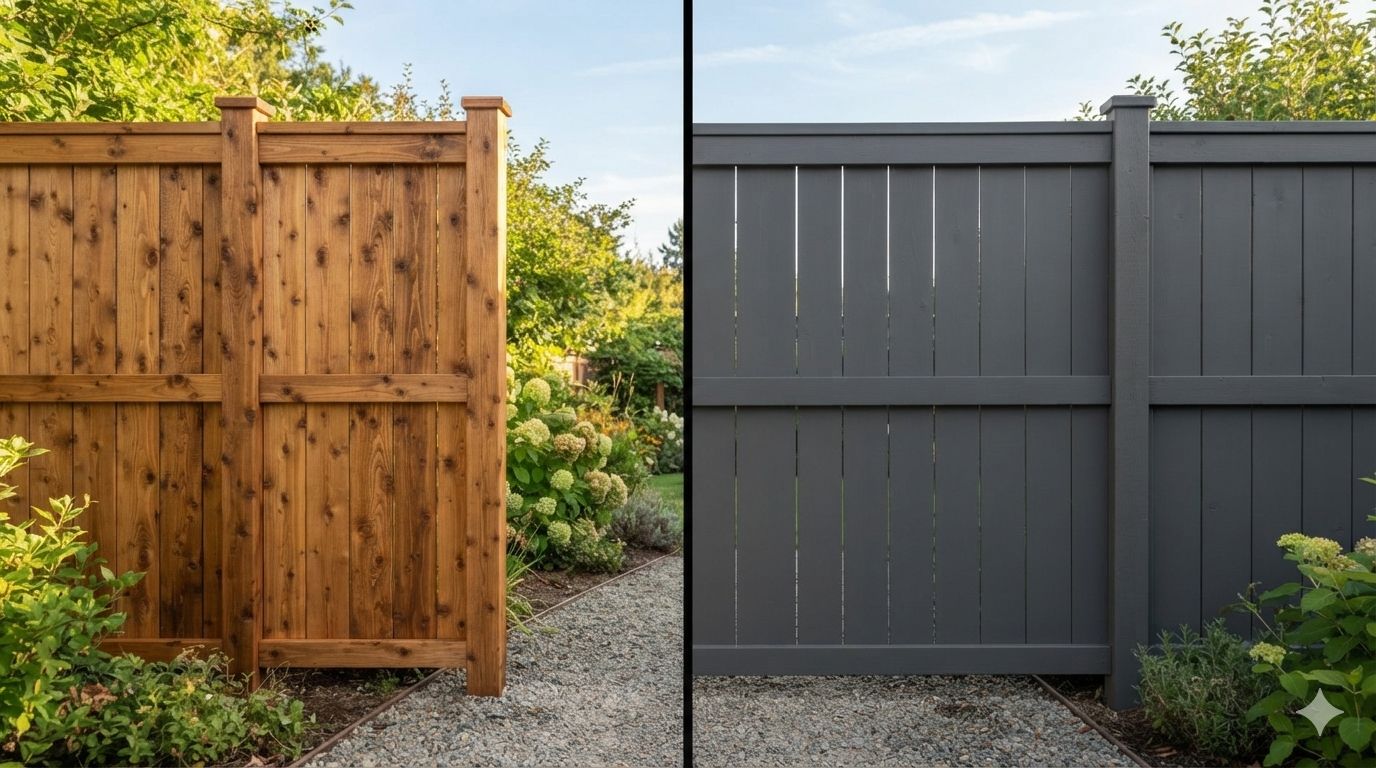
If you want a more secluded outdoor space, a solid privacy fence is often a practical starting point. Closely fitted boards or solid panels can reduce visibility from neighboring properties and help create a more defined backyard.
Wood, vinyl, and certain composite systems offer privacy-focused designs. Each has different upfront costs, appearance options, and maintenance requirements.
Think about where privacy matters most. You may want to screen a patio or seating area without enclosing the entire yard with the same style of fence.
For Pet Safety
Pet owners should consider fence height, spacing, gate security, and the behavior of their animals.
A fence that contains a small dog may not be sufficient for a larger or more athletic breed. Dogs that dig may need additional attention along the bottom of the fence, while dogs that jump or climb may require a taller, carefully designed enclosure.
Walk the proposed fence line and identify gaps, uneven ground, and areas where a gate could be pushed open. A secure fence should be designed around the animals that will use the yard rather than relying on appearance alone.
For Property Boundaries
If your main goal is to define the edge of your yard, an open picket or metal fence may provide the structure you need without blocking views.
This type of design can work well when you want a clear boundary but prefer to preserve the appearance of your landscaping.
Before installation, confirm the property line rather than assuming that an existing fence, driveway, or hedge marks the legal boundary. Accurate placement helps reduce the risk of future disagreements or costly adjustments.
For Added Security
A fence can help control access to an outdoor area, but the right design depends on the level of security you need.
Consider the number and location of gates, the strength of the posts, the quality of the hardware, and whether the fence creates any hidden areas around entrances.
For residential properties, security and appearance do not have to be competing goals. A well-planned design can provide a defined boundary while complementing the home's exterior.
Compare the Most Common Fence Materials
Once you know what you want the fence to accomplish, compare materials based on appearance, durability, cost, and maintenance.
Wood Fencing
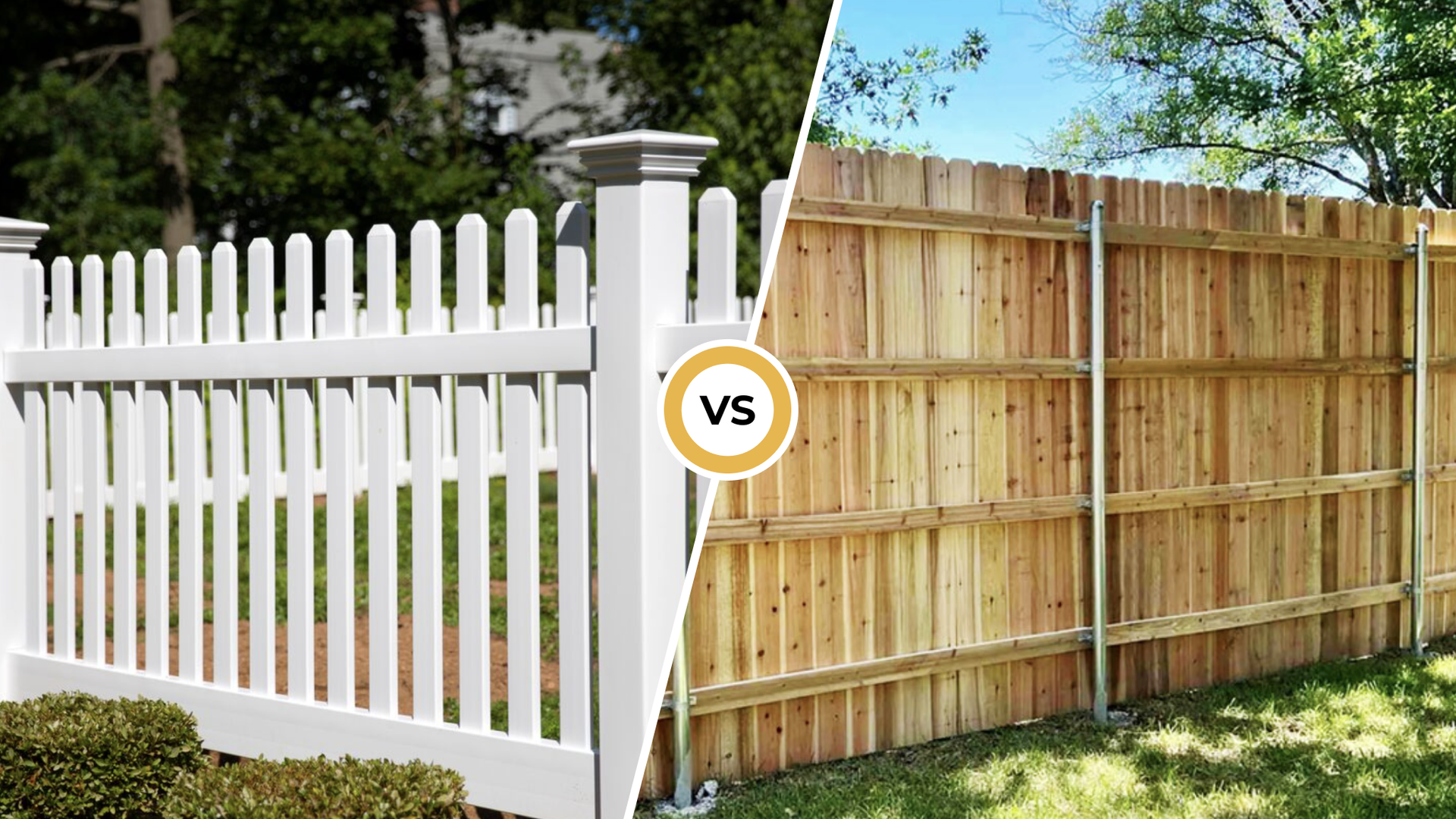
Wood is a versatile choice for homeowners who prefer a natural appearance and a range of traditional or contemporary styles.
It can be installed as a picket fence, a privacy fence, or a horizontal-board design. The flexibility of wood also makes it easier to customize details to suit the property.
However, wood requires appropriate care to help protect it from moisture and weather exposure. Depending on the type of lumber and finish, maintenance may include cleaning, staining, sealing, or painting.
Wood may be a good fit if you value its appearance and are comfortable with the upkeep.
Vinyl Fencing
Vinyl fencing offers a consistent finish and generally does not require routine staining or painting. It is available in styles ranging from open picket designs to solid privacy panels.
For homeowners who prefer straightforward maintenance, vinyl may be worth considering. It still needs occasional cleaning, and its performance depends on product quality, installation, and suitability for local weather conditions.
Ask about cold-weather performance, installation requirements, warranty coverage, and the availability of replacement components before selecting a product.
Aluminum and Decorative Metal Fencing
Metal fencing can provide an open, refined appearance while allowing views across the property.
It is often considered for front yards, landscaped areas, and locations where a solid privacy barrier is unnecessary. Design choices range from simple vertical bars to more decorative patterns.
Metal fences generally offer less visual privacy than solid panels, so they may not be the best choice when screening a patio is the main objective. Check the protective finish and recommended maintenance to understand how the fence should be cared for over time.
Composite Fencing
Composite fencing combines materials such as wood fibers and plastics, depending on the product. Some designs imitate natural wood while reducing the need for routine refinishing.
It may appeal to homeowners who want a wood-inspired appearance with less maintenance. However, the upfront cost can be higher than some conventional wood options, and products differ in their construction and weather performance.
Compare the specifications and warranty of the exact system you are considering instead of assuming all composite fences provide the same benefits.
Consider Your Yard's Layout Before Choosing a Design
A fence that looks attractive in a product photo may not work as well on your actual property. The shape of the yard, ground conditions, existing landscaping, and access points all influence the final result.
Sloped or Uneven Ground
If your yard changes elevation, the fence must follow the terrain in a way that maintains a consistent appearance and appropriate ground clearance.
Some systems use stepped panels, where each section sits at a different height. Others use racked panels that follow the slope more closely.
The right method depends on the steepness of the grade, the fence style, and the manufacturer's installation requirements. Planning the layout before ordering materials can help prevent unwanted gaps or awkward transitions.
Trees and Landscaping
Existing trees, shrubs, flower beds, and retaining walls may affect where the fence can be installed.
Allow space for routine landscaping work and future plant growth. Crowded plants can make it harder to clean or repair the fence, while roots and drainage conditions may complicate post placement.
If you want to preserve mature landscaping, discuss the layout before installation rather than trying to work around obstacles after construction begins.
Gates and Everyday Access
Gate placement should reflect how you use your yard.
A walk-through gate may be convenient near a patio, while a wider gate may be useful for moving lawn equipment or large outdoor items. Consider the swing direction, available clearance, latch location, and how the gate will function on sloped ground.
A well-planned entrance can make a fence much more useful without requiring an elaborate design.
Understand the Full Cost of a Fence
The total cost of a fencing project depends on more than the price of the material.
Fence length and height influence the quantity of material required. The number of corners, gates, and changes in elevation can affect installation labor. Removing an existing fence, preparing difficult ground, and disposing of old materials may also increase the total.
Different materials carry different long-term costs. Wood may have a lower initial price in some configurations but require periodic refinishing. Vinyl and composite options may reduce certain maintenance tasks while costing more upfront.
When requesting estimates, ask each contractor to identify:
- The proposed material, style, height, and total fence length.
- The number of gates and the hardware included.
- Whether existing fence removal and disposal are included.
- How posts and footings will be installed.
- Any site preparation or additional labor charges.
- Permit requirements and who is responsible for the application.
- Warranty coverage for materials and installation.
Comparing itemized estimates makes it easier to understand the actual differences between proposals. It also helps you avoid choosing an option based on a low starting price that excludes necessary work.
Plan for Wisconsin's Changing Weather
A fence in southeastern Wisconsin must withstand a range of outdoor conditions throughout the year. Rain, snow, summer sunlight, and freeze-thaw cycles can affect materials, fasteners, and the ground supporting the posts.
Choose materials suited to outdoor exposure and follow the manufacturer's installation and maintenance recommendations.
For wood fences, appropriate treatment and drainage help protect the material from moisture-related deterioration. Vinyl and composite products should be installed according to their specified spacing and temperature-related movement requirements. Metal fences should have suitable corrosion protection.
After winter, inspect the fence for leaning posts, loose hardware, damaged panels, and areas where the ground has shifted. Addressing small problems early can help prevent additional damage.
The quality of installation matters just as much as material selection. A suitable fence installed incorrectly may develop problems sooner than expected, regardless of its price.
Check Hales Corners Fence Regulations Before Installation
Before purchasing materials or scheduling construction, review the Village of Hales Corners' current fence requirements.
The village's municipal code states that fences four feet high or greater require a permit. A fence of any height located closer to the road than the building setback line also requires a permit, and additional requirements apply to fences in side-street setbacks on corner lots.
The code also addresses property-line setbacks, which side of the fence must face outward, and restrictions on fence placement. In particular, fences are prohibited in front-yard setback areas under the cited provisions.
These rules can affect which design and location are practical for your property. Do not assume that a fence permitted elsewhere in Wisconsin will automatically meet Hales Corners requirements.
Review the official Hales Corners fence regulations and contact the village with questions about your proposed layout before work begins.
Planning ahead can help prevent delays, redesign expenses, or problems with an installation that does not comply with local requirements.
How to Make the Final Decision
After identifying your goals and comparing materials, narrow your choices by considering three practical questions.
What matters most to you? Decide whether privacy, pet containment, appearance, security, or low maintenance is the main priority. You can consider secondary goals afterward.
What fits your budget over time? Compare both the initial installation estimate and the expected maintenance requirements. The cheapest option today may not be the most economical choice for your long-term plans.
What works for your actual property? Consider the yard's shape, slopes, existing landscaping, access needs, and local regulations. A design should fit the property rather than forcing the property to accommodate a design that does not work.
If you are unsure, comparing two or three suitable options can help you make a more confident decision without becoming overwhelmed by every available material and style.
Choose a Fence That Works for Your Home
The right fence should solve a practical problem while improving the way you use and enjoy your property. Whether you want a more private backyard, a secure space for pets, a clear property boundary, or a design that complements your home's appearance, the best choice begins with understanding your needs.
For homeowners in Hales Corners, careful planning also means considering local regulations, Wisconsin weather, installation conditions, and long-term maintenance.
Hales Corners Fence can help you explore fencing options that fit your property's layout, appearance preferences, and functional goals. By comparing materials and planning the installation carefully, you can choose a fence that provides lasting value and suits the way you live.