Cedar vs. Pressure-Treated Pine: Which Wood Fence Is Right for Your Hales Corners Home?
Both cedar and pressure-treated pine are popular choices for wood fencing, but they offer different benefits. Learn how they compare in appearance, durability, maintenance, and long-term value before choosing the right fence for your property.
Choosing a wood fence involves more than picking a style or deciding how much privacy you want. The type of wood you select can affect how your fence looks, how much maintenance it needs, and how well it handles years of outdoor exposure.
For homeowners in Hales Corners, WI, weather is an important consideration. Fences experience everything from summer heat and heavy rain to snow, freezing temperatures, and changing moisture levels. Choosing a suitable wood material and maintaining it properly can make a difference in how well your fence holds up.
Two common options are cedar and pressure-treated pine. Both can make attractive, functional fences, but they have different characteristics. Here's what you should know before making your decision.
1. Cedar Fencing: Natural Beauty and Built-In Durability
Cedar is a popular fencing material because of its natural appearance and resistance to certain forms of decay and insect damage. It contains natural oils and compounds that help it withstand outdoor conditions.
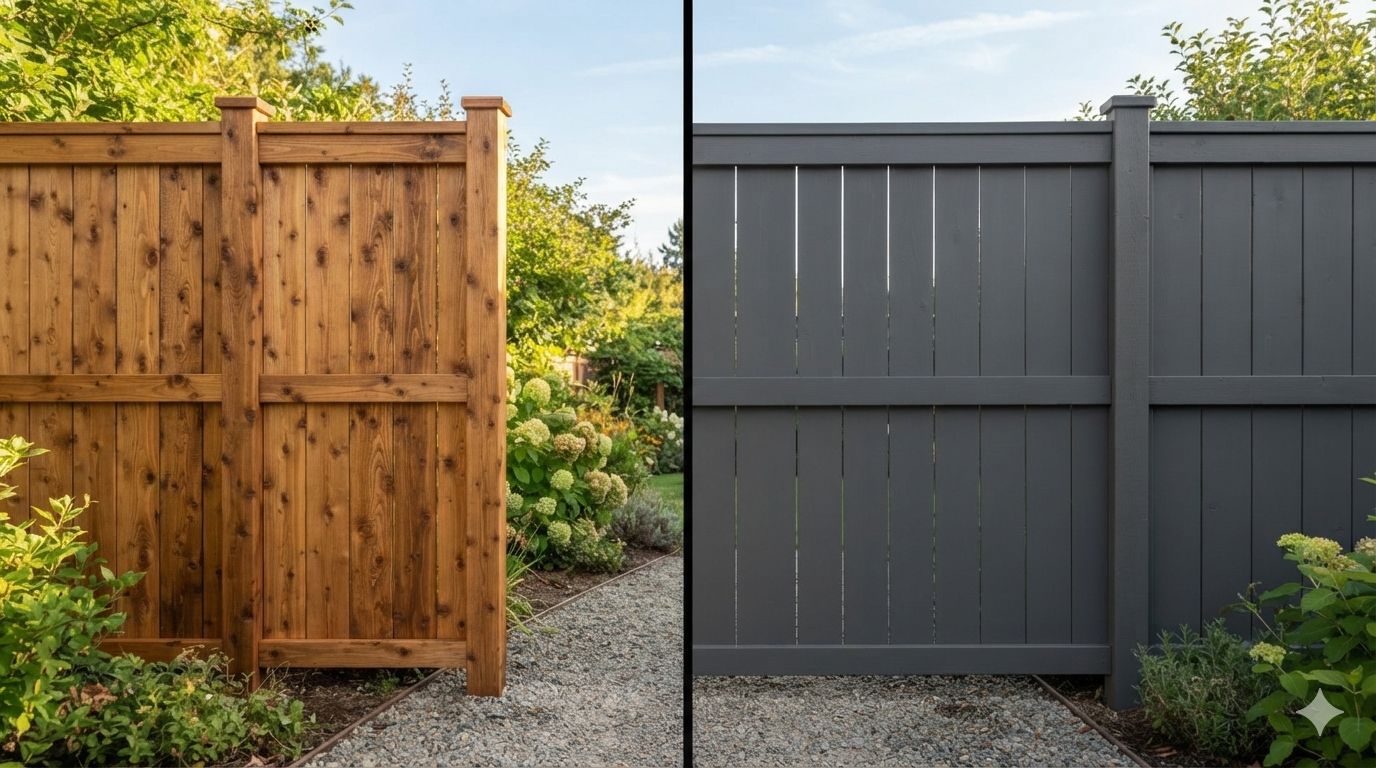
One of cedar's biggest attractions is its appearance. Its warm tones and natural grain give a yard a classic, welcoming look. It can be left to weather naturally into a grayish color or treated with a suitable stain or sealant to help maintain its original appearance.
Advantages of cedar fencing:
- Natural resistance: Cedar has natural properties that help it resist decay and insect activity.
- Attractive appearance: Its grain and warm color complement many home styles and landscapes.
- Lightweight material: Cedar is generally easier to handle during installation than some heavier wood options.
- Customizable finish: It can be stained or sealed to achieve different looks.
Potential disadvantages:
- Higher upfront cost: Cedar often costs more than pressure-treated pine.
- Color changes over time: Untreated cedar gradually weathers and may turn gray.
- Maintenance still matters: Cleaning, inspections, and occasional protective treatments can help preserve its appearance.
- Natural variations: Knots, grain patterns, and color differences mean individual boards may not look identical.
Cedar can be a good choice for homeowners who value natural beauty and want a wood fence with useful natural durability.
2. Pressure-Treated Pine: A Practical and Budget-Friendly Option
Pressure-treated pine is another widely used fencing material. It is treated with preservatives designed to help protect the wood against decay, fungi, and insect damage.
The treatment process makes pine more suitable for outdoor applications than untreated lumber. This can make it an appealing choice for homeowners who want a functional wood fence while keeping initial material costs more manageable.
Advantages of pressure-treated pine fencing:
- Generally lower upfront cost: It is often more affordable than cedar.
- Preservative protection: The treatment helps the wood resist rot and insect damage.
- Widely available: Pressure-treated lumber is commonly used for outdoor construction.
- Versatile: It can be used for privacy fences, boundary fencing, and other traditional designs.
Potential disadvantages:
- Appearance: Pressure-treated pine may initially have a greenish or brownish tint, depending on the treatment and product.
- Moisture movement: Like other wood products, it can shrink, swell, warp, or crack as moisture levels change.
- Drying time: Some treated lumber needs time to dry before staining or painting. Follow the product manufacturer's recommendations.
- Ongoing care: It still needs inspections and appropriate maintenance to help protect its appearance and condition.
Pressure-treated pine is worth considering if you want a traditional wood fence and are looking for a more budget-conscious starting point.
3. Cedar vs. Pressure-Treated Pine: What's the Difference?
Although both materials can work well for residential fencing, they differ in cost, appearance, and how they handle outdoor conditions.
FeatureCedarPressure-Treated PineInitial costUsually higherUsually lowerAppearanceNatural reddish or warm tones, depending on speciesOften has a greenish or brownish treatment tint initiallyRot resistanceNaturally resistant to certain types of decayProtected through preservative treatmentInsect resistanceNatural resistancePreservative treatment helps protect against insectsMaintenanceCleaning and periodic protective treatments as neededCleaning and periodic protective treatments as neededWeather responseCan weather, crack, or change colorCan shrink, swell, warp, or crackBest appealNatural appearance and characterPractical value and treated-wood protection
Neither material is automatically the better choice for every property. Wood grade, installation methods, drainage, exposure, and maintenance all influence the fence's long-term performance.
4. How Long Does Each Type of Wood Fence Last?
One of the most common questions homeowners ask is how long a wood fence will last.
There is no guaranteed lifespan for either cedar or pressure-treated pine. The result depends on the quality of the lumber, the parts of the fence exposed to moisture, installation practices, and how well the fence is maintained.
Cedar's natural resistance to decay can help it perform well outdoors, while pressure-treated pine benefits from its preservative treatment. However, neither material is immune to damage.
In Wisconsin, repeated freezing and thawing, standing water, and prolonged moisture exposure can put stress on fence boards and posts.
To help extend the life of either material:
- Keep vegetation, leaves, and soil from collecting against the fence.
- Make sure water drains away from posts whenever possible.
- Inspect the bottom of boards and posts for deterioration.
- Replace damaged or loose boards before problems spread.
- Apply suitable stains or sealants according to product instructions.
- Check gates, hinges, and fasteners for looseness or corrosion.
The posts deserve particular attention because damage near ground level can affect the stability of the entire fence.
5. Which Wood Fence Is Better for Wisconsin Weather?
Both cedar and pressure-treated pine can be used for residential fencing in Hales Corners, but choosing the right product and installing it correctly are just as important as selecting the wood species.
Cedar may appeal to homeowners who prefer a naturally attractive material with inherent resistance to certain outdoor conditions. Pressure-treated pine may be a better fit for those prioritizing initial affordability and preservative-treated lumber.
For either option, consider these local weather-related factors:
Winter moisture and snow: Snow that remains piled against the fence can keep the wood damp for extended periods. Avoid allowing snow and wet debris to accumulate around the bottom of boards and posts.
Freezing and thawing: Changes in temperature and moisture can contribute to wood movement, cracking, and loose connections.
Spring rain: Check for standing water around posts and inspect areas where soil may have shifted.
Summer sunlight: Direct sunlight can gradually fade wood and affect its finish. A suitable stain or protective coating can help maintain its appearance.
Good drainage, proper installation, and regular inspections help either material handle changing seasons.
6. How to Choose the Right Wood Fence for Your Property
Before deciding between cedar and pressure-treated pine, think about your priorities.
Consider your budget. If keeping the initial investment lower is important, pressure-treated pine may be worth exploring. Remember to consider maintenance and repair costs over time, not just the material price.
Think about appearance. Cedar offers a naturally distinctive look. Pressure-treated pine can also be stained or finished to complement your home.
Decide how much maintenance you can handle. Both materials need care. If you prefer the look of natural wood, be prepared for its color to change as it weathers.
Consider the fence's purpose. A privacy fence, decorative boundary, and backyard enclosure may have different design and material requirements.
Ask about installation details. Post placement, drainage, hardware, board spacing, and lumber quality all affect the finished fence.
Find the Right Wood Fence for Your Hales Corners Property
A cedar fence and a pressure-treated pine fence can both be excellent additions to a home when the material matches the property's needs and receives proper care.
Cedar is a strong option for homeowners who appreciate natural beauty and built-in resistance to certain outdoor conditions. Pressure-treated pine offers a practical alternative for those looking for treated lumber at a generally lower initial cost.
The best choice comes down to your budget, preferred appearance, fencing goals, and willingness to maintain the wood over time.
If you're planning a new fence, Hales Corners Fence can help you explore fencing options for your property. Consider the layout of your yard, the level of privacy you want, and the look you hope to achieve before settling on a material.
A well-planned fence can provide privacy, define your outdoor space, and complement your home for years to come.